
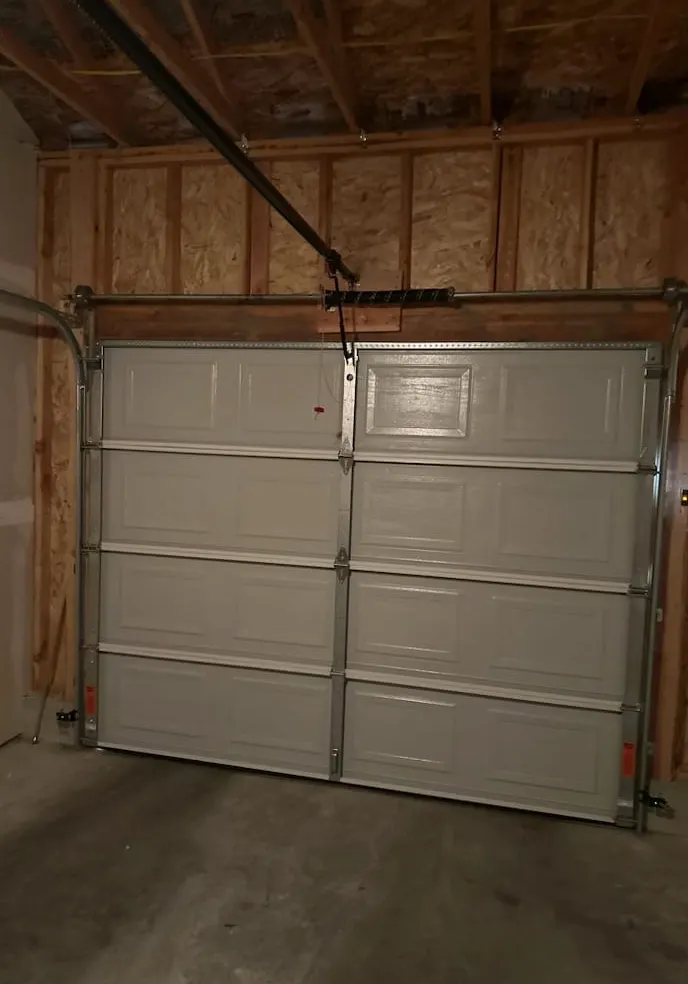
You're standing in the garage with an armful of groceries, and you notice it: a thin line of daylight along the bottom of the door. Or maybe it's the draft you feel on your ankles while the washer runs, even with the door shut tight. You mention it. Your spouse says it's nothing — "it's a garage door, not a window." Then the electric bill comes in higher than it should be for the season, and suddenly it's a whole conversation.
Here's the part that settles the argument: if your garage is attached to the house, that door is doing more work than anyone gives it credit for. It's not just keeping out raccoons and rain — it's acting as a thermal barrier between the outside air and whatever room shares a wall with the garage. When it leaks, your AC notices.
Why an Attached Garage Door Affects Your Whole House
In most homes along the Everglades coast, the garage shares at least one wall with living space — a laundry room, a bonus room, sometimes a bedroom. Heat and humidity that build up in the garage don't stay there. They move through that shared wall, through the door connecting the garage to the house, and through any gaps around the garage door itself.
During a Florida summer and the stretch of hot, humid months that run well into fall, an unsealed garage can sit ten to twenty degrees hotter than the rest of the house. Your AC has to fight that heat load nonstop, especially in the room next door. That's wasted cooling, and it shows up on the bill whether or not anyone walks into the garage that day.
How the Leaks Actually Happen
Garage doors aren't sealed like a window or an exterior door — they rely on a few specific points to keep air out, and all of them wear down over time:
- Bottom seal (astragal): the rubber strip along the floor. Salt air and ground moisture cause it to harden, crack, or pull away from the track, leaving a gap you can often see daylight through.
- Side and top weatherstripping: the strips along the frame. Humidity and heat cycles make this rubber brittle faster here than in drier climates, so it shrinks and stops making full contact.
- Panel seams and warping: swelling from moisture or heat can bow a panel just enough to break the seal along the whole width of the door, not just at one edge.
- Off-track or misaligned doors: if the door isn't closing square in the frame, every seal in the world won't help — there's a structural gap that needs fixing, not just new rubber.
A Quick Way to Check Tonight
Close the garage door, turn off the garage lights, and have someone stand outside with a flashlight while you stay inside. Any light that gets through is air getting through too. Do this during the day and watch for sunlight around the edges instead, if that's easier to schedule.
What the Leak Actually Costs You
This is the number that ends most arguments. National estimates for air leakage through gaps and poor seals suggest homeowners can lose somewhere in the range of 10 to 20 percent of their cooling and heating costs to drafts throughout the house — and a garage with a worn-out seal is one of the largest single gaps in a typical home, often bigger than every window combined. On top of the dollar cost, that leaked humidity feeds the exact problem a lot of people already deal with out here: rust on hardware, swelling panels, and a garage that never quite dries out between storms.
Fixing It Without Overspending
Not every leaky door needs full replacement. Work through it in order of cost:
- Replace the bottom seal. This is the cheapest fix and usually the highest-impact one, since it covers the longest, flattest gap in the whole door.
- Replace side and top weatherstripping. Do this at the same time if it's original to the door — mismatched new-and-old seals still leave gaps.
- Check panel alignment. If one section is visibly bowed or doesn't sit flush, that's a sign of moisture damage or an impact, and sealant alone won't fix it.
- Confirm the door is tracking straight. A door that's slightly off its track will never seal evenly, no matter how new the weatherstripping is.
When to Call Chokoloskee Garage Door Repair
If the flashlight test shows daylight everywhere, or a panel looks swollen and won't sit flush against the frame, that's past the point of a DIY weatherstrip kit. We handle Garage Door Panel Replacement for sections that have warped or rusted beyond sealing, and our Preventive Maintenance visits check seals, track alignment, and hardware condition before hurricane season swings back around — catching the small gaps before they turn into a bigger energy problem or a door that won't hold wind load the way it should.
If your garage is working against your AC instead of with it, call Chokoloskee Garage Door Repair. We serve Chokoloskee, Everglades City, Ochopee, Goodland, Marco Island, Copeland, Jerome, and Naples, and we'll tell you straight whether you need a seal, a panel, or nothing at all.